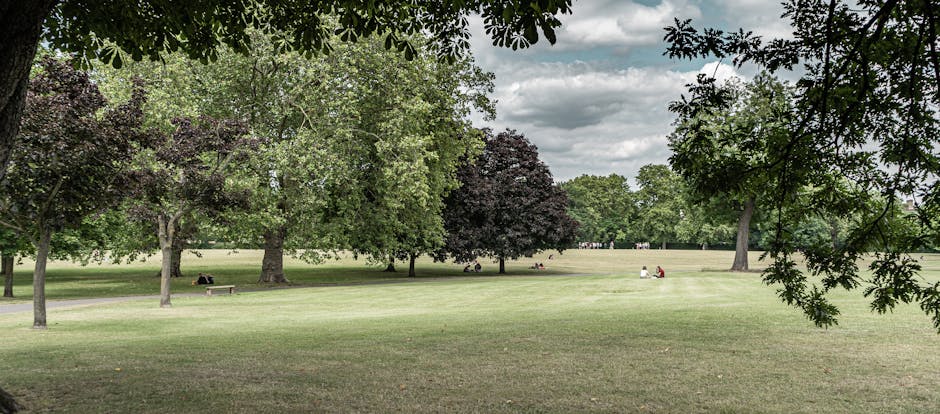
Commercial gardeners for landlords in Grange Park N21
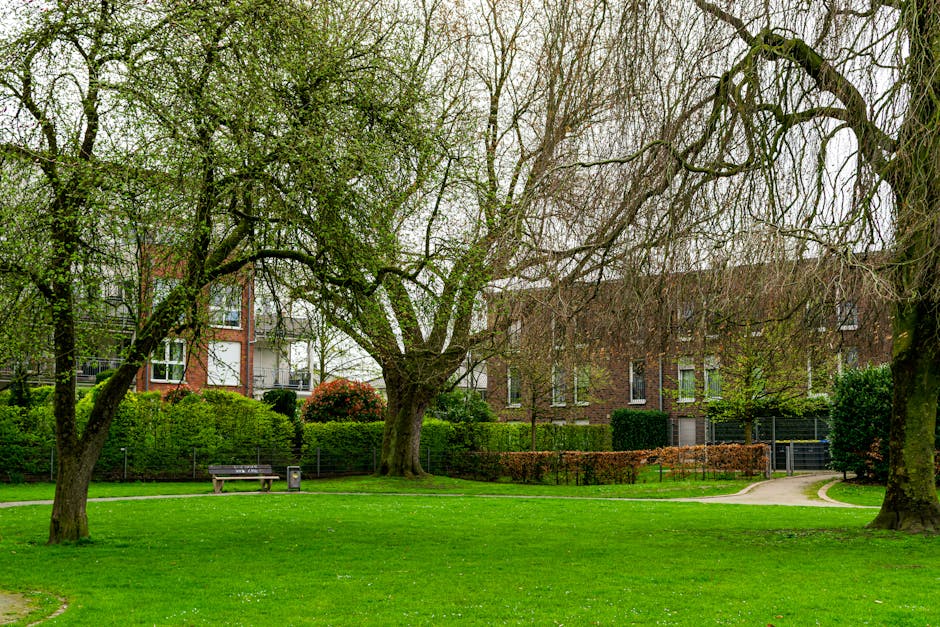
If you manage rental property in North London, you already know the garden can make life easy or awkward. A neat front garden lifts kerb appeal. A controlled back garden keeps tenants happier. A neglected outside space, on the other hand, quickly turns into another headache on your to-do list. That is where Commercial gardeners for landlords in Grange Park N21 come in: not as a luxury, but as a practical way to keep a let property looking cared for, safe, and easy to manage.
This guide breaks down what commercial gardening support actually means for landlords, how the service tends to work, what to look for, and where the real value sits. We will also cover common mistakes, useful comparisons, and a realistic checklist you can use before booking work. If you want a steadier, lower-stress approach to outside upkeep, you are in the right place.
Why Commercial gardeners for landlords in Grange Park N21 Matters
For landlords, gardens are not just decorative space. They are part of the property's condition, the tenant's day-to-day experience, and the impression people form the moment they arrive. In an area like Grange Park N21, where many homes are expected to feel well kept and quietly attractive, outdoor maintenance can influence how a property is perceived almost instantly. A tidy hedge, trimmed lawn, and clear path do more than look good; they signal that the whole property is looked after.
Commercial gardening support matters because rental gardens need a different kind of care from a private owner's garden. You need consistency. You need speed. And, to be fair, you usually need a plan that works even when a tenant is busy, a property is between lets, or a boundary hedge has suddenly decided to become a small ecosystem. That is not unusual. It just needs proper handling.
Landlords also have to think about safety and liability. Overgrown shrubs can block sightlines. Slippery patios can become a problem in wet weather. Trees, fences, and access routes can all create issues if they are left to drift. Commercial gardeners help reduce those risks before they become awkward conversations with tenants or managing agents.
Expert summary: the best landlord gardening arrangements are not about grand redesigns. They are about steady, repeatable upkeep that protects the property, reduces complaints, and keeps outside areas ready for inspection, letting, or everyday use.
How Commercial gardeners for landlords in Grange Park N21 Works
In practical terms, commercial gardening for landlords usually starts with a site assessment. That may be a one-off visit, photos, or a quick discussion about the property's condition, the tenancy situation, and the level of upkeep required. Some gardens only need monthly maintenance. Others need an initial reset first, then lighter visits after that. The point is to match the work to the property rather than forcing every garden into the same routine.
A typical landlord-focused service might include lawn mowing, hedge trimming, border tidying, weed control, leaf clearance, pruning, and seasonal work. If a garden has been left untouched for a while, the first visit may be more about restoring order than maintaining it. In that scenario, a service like routine garden maintenance can be the backbone of the arrangement, with extra tasks added where needed.
There is also a property-management angle. Good gardeners will often work around access arrangements, tenant schedules, rental inspections, and turnaround times between tenancies. That does not mean everything must be done in a rush. It means the work is planned so the landlord is not constantly chasing little issues. The best setups feel almost invisible because the garden simply stays under control.
Where the outside space needs more than routine tidying, landlords may combine regular visits with targeted support such as lawn care, hedge trimming, patio cleaning, or even tree surgery. That mix depends on what the property actually needs. No mystery there.
Key Benefits and Practical Advantages
The most obvious benefit is time saved, but that is only part of the story. The deeper value lies in reduced friction. A well-managed garden tends to mean fewer tenant complaints, fewer emergency fixes, and less last-minute scrambling before a viewing or inventory. Landlords with multiple properties feel this especially strongly, because one neglected garden can absorb more time than you expect.
Here are the main advantages in plain English:
- Better first impressions: tidy planting, neat edges, and clean hard surfaces make the whole property feel more cared for.
- Lower maintenance drift: regular visits stop small issues from becoming expensive ones.
- Improved tenant satisfaction: people are usually happier living in a space that feels manageable and presentable.
- Less seasonal stress: leaf drop, wind damage, winter dieback, and spring regrowth are easier to handle with a plan.
- More predictable budgeting: regular work is usually easier to forecast than emergency call-outs.
There is also a subtle commercial benefit. Even when a garden is not central to the property's value, it can still influence how quickly a letting moves forward. People may not say, "I chose this flat because of the hedge," but they do notice a clean, calm outdoor space. They really do.
If you want inspiration for keeping planting practical rather than fussy, useful ideas can be found in topics like ground cover planting and low-maintenance garden ideas, both of which fit landlord-friendly thinking very well.
Who This Is For and When It Makes Sense
This service is not only for large portfolios or high-end rental homes. It is often most useful for ordinary landlords who simply want the outside space to stop causing trouble. That might mean a single buy-to-let with a front garden, a family house with a back lawn, or a property that needs a tidy reset between tenants.
It makes sense if any of the following sound familiar:
- The garden keeps looking untidy despite occasional tenant effort.
- You need the property to be ready for viewings, valuations, or inspections.
- Access is inconsistent, and you need an agreed maintenance routine.
- The garden includes hedges, trees, fencing, or patios that need specialist care.
- You are managing from a distance and cannot personally check every few weeks.
It also makes sense after a tenancy ends. This is one of those moments where a garden can go from "not bad" to "what happened here?" surprisingly quickly. A clear-up visit before reletting can make a proper difference, especially if paired with support from rejuvenating a neglected yard guidance and a structured maintenance plan.
For landlords with pets in the picture, outdoor decisions can be trickier. Paths, planting, and safe boundaries all matter more than people sometimes realise. If that applies, the article on gardening with dogs in mind is a good reminder that practical design and tenant comfort can absolutely go together.
Step-by-Step Guidance
Here is a sensible way to approach commercial gardening for a rental property in Grange Park N21, whether you manage one house or several.
- Assess the current condition. Walk the garden, or ask for photos, and note the obvious issues: overgrown areas, weed spread, broken sections, drainage worries, and any hidden access problems.
- Separate urgent from routine work. A dangerous branch, a slippery patio, and a waist-high hedge are not the same kind of job. Prioritise safety first.
- Define your standard. Decide what "acceptable" looks like for the property. For some rentals, it means simple and tidy. For others, it might include shaped hedges, a polished lawn, and seasonal planting.
- Set the service frequency. Weekly, fortnightly, monthly, or seasonal visits each suit different property types. A rental with fast growth or heavy shade may need more frequent attention.
- Agree on access and communication. This is where many arrangements wobble. Make sure everyone knows who opens gates, who confirms appointments, and how updates are sent.
- Build in seasonal tasks. Spring tidy-ups, summer pruning, autumn leaf clearance, and winter protection are best planned in advance rather than handled reactively.
- Review after the first cycle. Once a few visits have happened, check whether the garden is holding shape or whether the plan needs tightening.
A good system is not glamorous. It is just steady. And steady usually wins.
For practical support in choosing the right mix of upkeep tasks, many landlords find it useful to look at related services such as lawn mowing, fencing, and general gardening services as part of a broader plan rather than as one-off fixes.
Expert Tips for Better Results
In our experience, the best results come from keeping the garden simple enough to maintain well. That does not mean plain or boring. It means choosing features that can be looked after without constant intervention. A landlord garden should be resilient first, attractive second, though ideally both. Not exactly a romantic slogan, but there we are.
Some practical tips:
- Choose planting with the site in mind. Shade, wind exposure, and soil type all matter. A plant that struggles will become a maintenance issue, not an asset.
- Keep borders readable. Clear edges between lawn, path, and bed make the whole space easier to maintain.
- Use hedge work to shape, not just reduce. Proper hedge care improves light, access, and kerb appeal at the same time.
- Think about winter before winter arrives. Protective work is far easier when it is done early, not after frost has had a go.
- Plan for waste removal. Green waste piles up quickly, and nobody enjoys leaving a site half-finished because bags and branches have taken over the driveway.
If the property includes awkward shaded patches, evergreen climbers or ground cover can be smart choices. Useful reading on these topics includes evergreen climbers for shade and weed control tips. Those two problems tend to show up together more often than you might expect.
And yes, if the garden looks a bit chaotic in January, that can be normal. The trick is not to ignore it until April. A little attention in winter saves a lot of catch-up later.
Common Mistakes to Avoid
Landlords do not usually make gardening mistakes because they do not care. More often it is because they are trying to save time, keep costs down, or assume the tenant will handle it. That is understandable. But a few patterns cause trouble again and again.
- Leaving the garden to "sort itself out." It rarely does. Plants grow on their own schedule, and weeds are frankly not loyal to anyone.
- Booking only after a complaint. Reactive maintenance is always more stressful than planned maintenance.
- Overcomplicating the planting scheme. Fancy beds can look great for a while, then become expensive to maintain.
- Ignoring boundary issues. Hedges and fences are not background details. They affect privacy, security, and how the whole place feels.
- Skipping seasonal work. Autumn leaves, spring growth, and winter damage all need different handling.
Another common issue is vague expectation-setting. If a tenant thinks the garden is theirs to redesign and the landlord thinks it should stay near-pristine with minimal effort, you end up with disappointment on both sides. A better approach is to define the standard clearly from the start and keep it realistic.
For more on winter resilience and weather-related upkeep, the article on weatherproofing your garden is genuinely helpful.
Tools, Resources and Recommendations
A commercial gardening job is only as smooth as the tools and planning behind it. You do not need a shed full of gadgets, but the right kit makes a real difference. The basics usually include reliable mowers, trimmers, secateurs, pruning saws, rakes, and clearing equipment. For larger or more demanding sites, access to stronger cutting and waste-handling tools becomes important too.
If you are weighing up what a gardening team should be able to handle, this useful overview of must-have gardening tools gives a good sense of the practical side. For landlords, the bigger question is not simply what tools are used, but whether the team has the right approach for the property.
Useful things to ask about before booking:
- Can they handle both tidy-up visits and ongoing maintenance?
- Do they deal with waste responsibly?
- Can they work around tenants, void periods, or property managers?
- Are they comfortable with hedges, lawns, patios, and trees if needed?
- Do they offer a clear quote or scope of work?
For landlords who want a garden that feels calm rather than high-maintenance, ideas from zen garden elements or garden seating can be adapted in simple, durable ways. Not every rental needs a full design overhaul. Sometimes a bench, a clear path, and a tidy green backdrop are enough. Honestly, that is often the sweet spot.
Law, Compliance, Standards, or Best Practice
Landlord garden care is not usually the kind of work that involves heavy legal complexity, but it does sit within broader property management duties. In practice, the key is to keep the outside area reasonably safe, accessible, and in a condition that matches the standard of the rest of the property. If a garden becomes overgrown, slippery, or blocked, it can create avoidable risk.
Best practice also includes clear communication about access, responsibility, and what is included in the maintenance arrangement. If there is a tenancy agreement, the garden clause should be read carefully so everyone understands whether the tenant is expected to do any routine tasks or whether the landlord is arranging external care directly. Where there is any doubt, clarity saves time later.
It is also sensible to pay attention to health and safety expectations. That means safe working methods, proper handling of equipment, and care around branches, uneven surfaces, or waste removal. For a fuller overview of how a provider approaches this, the pages on health and safety policy and insurance and safety are worth checking.
On the admin side, landlords and property managers often appreciate transparent service terms. That includes payment expectations, cancellations, complaints handling, and privacy. If you are comparing providers, it helps to know there is a documented process behind the work rather than just a handshake and a promise.
Options, Methods, or Comparison Table
There is no single right way to manage a rental garden. The best method depends on budget, tenant turnover, and how much detail the space needs. Here is a simple comparison to help you think it through.
| Approach | Best for | Strengths | Watch-outs |
|---|---|---|---|
| One-off tidy-up | Vacant properties, neglected gardens, pre-viewing preparation | Fast reset, immediate visual improvement | Does not prevent future decline without follow-up |
| Scheduled maintenance | Occupied rentals, regular upkeep, portfolio management | Predictable, easier to budget, fewer surprises | Needs consistent access and scheduling |
| Seasonal visits | Low-demand gardens, simple plots, budget-conscious landlords | Good balance of cost and care | May not suit fast-growing or high-use gardens |
| Full property-focused service | Landlords who want lawn, hedge, patio, tree and boundary care handled together | Single point of responsibility, better overall presentation | May be more than some smaller properties need |
For many landlords, the sweet spot is a hybrid: start with a reset, then move to light scheduled upkeep. That usually feels less costly in the long run than trying to rescue the garden from scratch every few months.
If your property has larger trees, boundary work, or a tired layout, services such as landscaping and tree surgery may be the right complement to regular maintenance. For simpler spaces, a combination of lawn care and patio cleaning may be enough to keep things respectable and ready for use.
Case Study or Real-World Example
Imagine a typical rental house in Grange Park N21 with a front lawn, side access, and a back garden that has been left to tick along between tenancies. The front looks passable at first glance, but the hedge has softened into a blocky shape, the lawn is patchy, and weeds are starting to edge through the path. Nothing dramatic. Just enough to make the property feel a bit tired.
Now imagine the landlord books an initial clean-up visit. The team clears the weeds, cuts back the hedge, restores the lawn edges, and tidies the patio so the outside space reads properly again. After that, they move to regular visits every few weeks during the growing season. The change is not flashy, but it is noticeable. The garden stops being a worry and starts behaving like part of the property again.
That is usually the real win. Not perfection. Just control.
And if the garden had become particularly unruly after a long gap, the landlord might also lean on practical advice from the first steps to rejuvenating a neglected yard and, if the space needed more privacy or structure, perhaps a planting approach informed by fast-growing hedge solutions. Small changes, done in the right order, usually go further than people expect.
Practical Checklist
Use this checklist before you book or renew a gardening arrangement for a rental property.
- Walk the garden and note the current condition.
- Identify urgent safety issues, especially branches, slippery surfaces, and blocked access.
- Decide whether you need one-off work, regular upkeep, or a mix of both.
- Confirm who provides access and when.
- Agree what is included: lawn, hedge, borders, patio, waste removal, trees, or fencing.
- Check whether seasonal tasks are built into the plan.
- Make sure communication is simple and documented.
- Review whether the garden is tenant-friendly and realistic to maintain.
- Ask how the provider handles insurance, safety, and complaints.
- Book a follow-up review after the first round of work.
If you are the sort of person who likes a process, this is the part to keep. It saves a lot of back-and-forth later, and let's face it, nobody wants more admin than necessary.
Get a free quote today and see how much you can save.
Conclusion
For landlords, the garden is one of those property elements that quietly shapes everything else. It affects presentation, safety, tenant experience, and how much time you spend fixing things that should have been kept under control in the first place. Commercial gardeners for landlords in Grange Park N21 offer a practical way to keep that part of the property working as it should: tidy, usable, and not constantly demanding your attention.
The best approach is usually simple. Start with a clear assessment, choose a realistic level of maintenance, and keep the standard consistent. Do that well and the garden becomes an asset, not a recurring problem. That is the whole game, really.
If you are ready to make the outside space easier to manage and better to live with, a calm, well-planned service can make a surprising difference. One tidy garden at a time.
Frequently Asked Questions
What do commercial gardeners for landlords in Grange Park N21 usually do?
They typically handle the routine and remedial outdoor work landlords need most: lawn cutting, hedge trimming, border tidying, weed control, seasonal clear-ups, patio cleaning, and sometimes tree or fence-related work where required.
How often should a rental garden be maintained?
It depends on growth, property use, and the standard you want to keep. Some gardens only need monthly attention, while others benefit from fortnightly visits during the growing season. A one-size-fits-all answer rarely works.
Is a one-off tidy-up enough for a landlord property?
Sometimes, yes, especially before a new tenancy or after a long gap. But if the garden is likely to keep growing quickly, one-off work usually needs to be followed by ongoing maintenance to stop things sliding backwards.
Can tenants be expected to look after the garden?
Sometimes tenancy agreements include light garden responsibilities, but that varies. It is best to check the agreement carefully and keep expectations realistic. Many landlords prefer to arrange external maintenance themselves for consistency.
What should I ask before hiring a gardening service?
Ask what is included, how access is managed, whether waste is removed, how often visits are recommended, and whether the provider can deal with both routine and more specialist tasks. A good service should answer plainly.
Do landlords need to worry about safety in the garden?
Yes. Uneven paths, slippery patios, overgrown areas, and unstable branches can create avoidable risks. Keeping the garden reasonably safe is part of sensible property management, even if the space is fairly small.
What if the garden has been neglected for a long time?
Then the first job is usually a reset rather than maintenance. That can mean clearing weeds, reducing overgrowth, tackling the lawn, and getting back to a manageable baseline before moving into a regular schedule.
Are landscaping and maintenance the same thing?
No. Maintenance keeps a garden in good shape, while landscaping changes the structure or design of the space. A rental may need both, but they are different kinds of work with different goals.
How do I keep garden costs under control as a landlord?
The simplest way is to avoid reactive repairs and choose a maintenance plan that matches the property. Simple planting, regular mowing, and seasonal care are often cheaper over time than repeated rescue jobs.
Why is Grange Park N21 a relevant area for this type of service?
Because local rental properties benefit from the same practical needs as many London homes: good presentation, safe access, and manageable upkeep. In an area where exterior appearance matters, a tidy garden can make a strong difference to how a property is received.
Should I combine lawn care, hedge trimming, and patio cleaning?
Often yes. Those three tasks tend to work well together because they improve the look of the garden from different angles. A neat lawn with a messy patio still feels unfinished, and the same goes the other way around.
Where should I start if I am unsure what my property needs?
Start with a simple review of the garden's condition, then decide whether you need a reset, ongoing maintenance, or a broader property-focused service. If you want a clearer discussion about next steps, the simplest route is to make an enquiry and talk it through.